The Woman in the Mirror Was Screaming
I woke to screaming.
A sound so sharp it split the air, so relentless it seemed to scrape against the inside of my skull. It went on and on, threading through the walls, through my body, driving me to distraction. I rolled out of bed and ran, feet slapping against the floor, fleeing the noise as if it belonged to someone else. I tripped, crashed to my knees, and crawled, hands raw against the tiles, toward the bathroom.
The screaming followed me.
I dragged myself upright and caught sight of a figure in the mirror. A woman. Wild-eyed. Mouth open. Hands shaking. I clapped my palms over my mouth, biting down hard on my fingers until pain cut through panic.
I was the woman.
It was me screaming.
The realisation landed like a blow. A terrible panic wafted over me, not sharp, but thick, suffocating, impossible to outrun.
I stared into my own brown eyes and saw the weight of depression clinging to my body like damp clothing I could never peel off. My shoulders sagged under it. My chest felt caved in. I wondered, not for the first time, how I had come to this place.
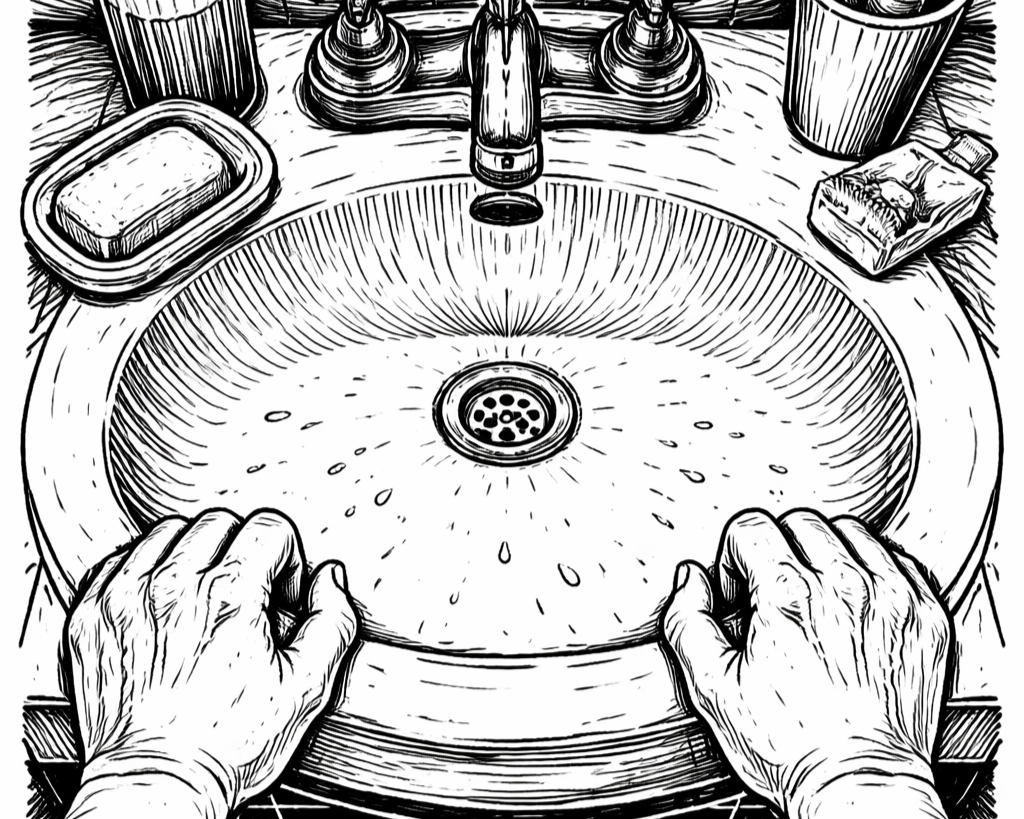
It hurt to remember. Not metaphorically, physically. Each memory felt vacuum-sealed inside me, compressed and buried so tightly that thinking about them meant prising them out with brute force. I gripped the basin, knuckles bleaching white, and forced myself to stay present.
This didn’t come from nowhere.
I thought about all the ways I had been lured into suppression, how control had been wrapped in the language of care. How compliance had been framed as recovery. How silence had been rewarded, and resistance punished. How they had fed off me, my fear, my grief, my vulnerability, and then discarded me when I no longer fit the story they needed.
I thought about bodies stripped bare, not by accident, but by design. Carcasses of former selves moving through the world like empty shells. People still breathing, still technically alive, but hollowed out. No hope. No future. No fight left in them.
Battle weary.
Consumed by an ineffable sadness and a grief so palpable it sat in the room with you. A weariness etched into shoulders, spines, and faces, that you could see before anyone spoke, and you could feel it in your own bones.
This is what psychiatric violence looks like when it doesn’t leave bruises.
It looks like a woman who cannot trust her own reactions anymore. Like someone who second-guesses every feeling, every thought, every surge of emotion, wondering if it will be used against her later. It looks like learning to perform wellness in order to survive. Like swallowing rage until it turns inward. Like screaming in your sleep because your body remembers what your mouth was trained not to say.
They call it treatment.
They call it intervention.
They call it support.
But there is nothing supportive about systems that strip people of their liberty, their autonomy, their dignity, and their voice in the name of care. There is nothing healing about being surveilled, restrained, medicated into compliance, or told that your distress is evidence of your defect rather than a rational response to violence.
Madness, I know now, is not the problem.
The problem is a world that punishes people for breaking under unbearable weight.
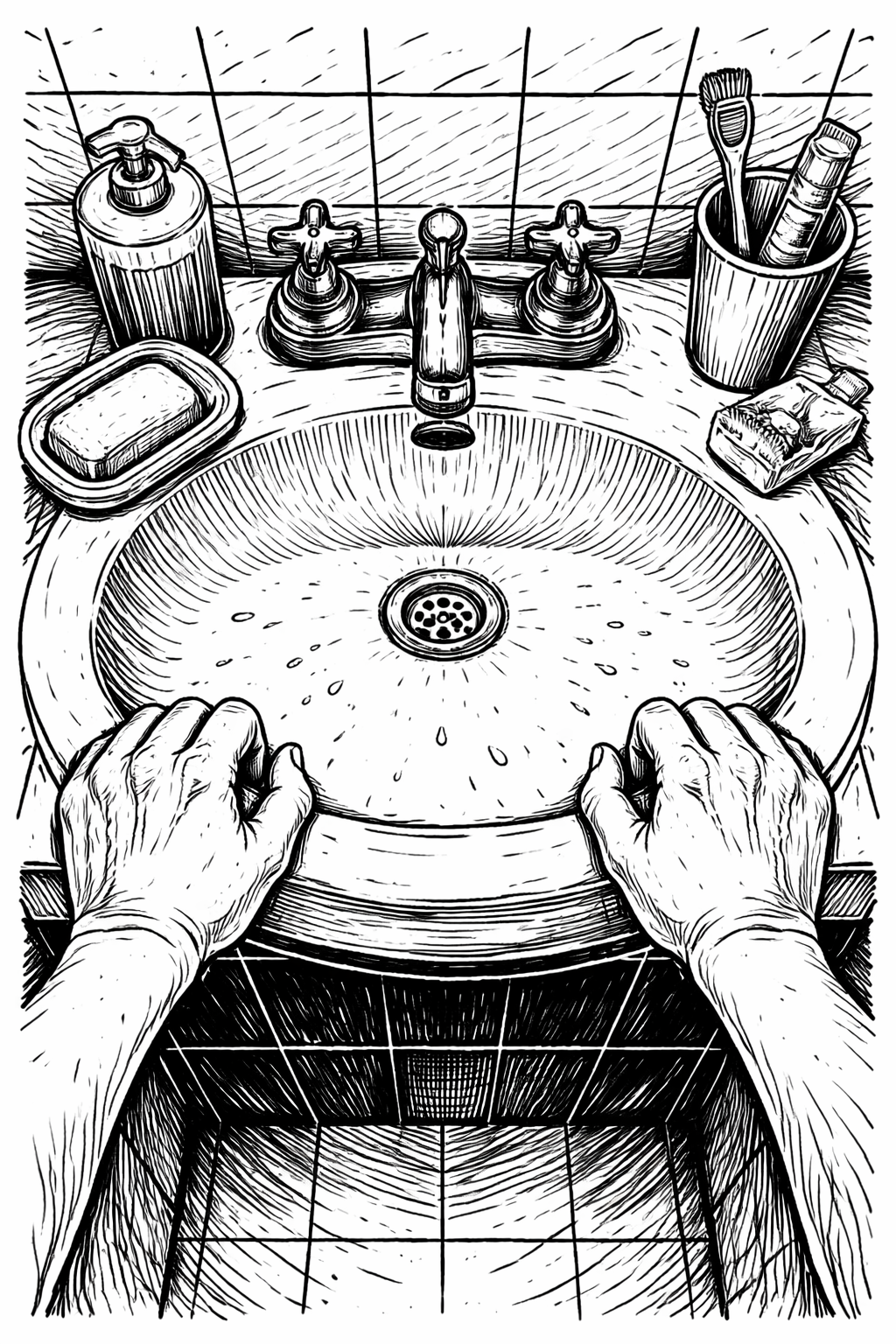
Standing there in the bathroom, hands still gripping porcelain, I realised something else: the scream had not been a failure. It had been a signal. A refusal. A body insisting on being heard after years of enforced quiet.
Madness, in this light, was not something to be cured or erased. It was a language. A protest. A survival strategy in a world that demands numbness. A reminder that something was wrong, not with me, but with the conditions I was expected to endure.
I had been taught to fear my own mind. To distrust my emotions. To believe there was something to recover from, as if my pain were a personal failure rather than a response to harm. To hand myself over to institutions that promised safety but delivered control.
Mad liberation, as I was beginning to understand, is not about becoming palatable. It’s not about being manageable, or productive, or quiet enough to make others comfortable. It’s about reclaiming the right to feel deeply in a world that makes deep feeling dangerous.
It’s about refusing human warehousing, whether behind prison walls or locked psychiatric doors. About naming carcerality wherever it appears. About recognising that the violences are the same: deprivation, coercion, isolation, disappearance.
The woman in the mirror was still shaking.
But I was standing.
And for the first time in a long while, the scream felt less like something to suppress, and more like something that might one day be transformed: into words, into solidarity, into a refusal loud enough to crack the walls that were never built for my survival.
I unclenched my hands from the basin. I looked myself in the eye. And I stayed upright, for one more day.
Written by Tabitha Lean.
Tabitha Lean is a First Nations prisoner activist, Mad survivor, abolitionist and storyteller whose work is grounded in her lived experience of criminal and psychiatric incarceration. A loud mouth, disruptor and trouble maker, Tabitha uses poetry, art, and narrative to expose and resist the violence of the colonial carceral state. Her activism is rooted in collective care, community accountability, and the belief that no one is disposable. Living and creating at the margins, she channels her experiences into a powerful refusal of systems of punishment and control — always with love, always in resistance.
Connect with Tabitha
Email: tabithalean1@hotmail.com | LinkedIn