Search mental health services and support options.
Get immediate support in a crisis or urgent situation.
Understand your options and where to start.
Support a friend, family member, or loved one.
Find peer support and connect with people who understand.
Find help and resources for yourself or someone at risk.
Explore the support that's available and find what fits you.
Browse mental health topics and terms from A to Z.
Everyday ways to look after your mental wellbeing.
Understand how autism and mental health connect.
Explore the treatment and therapy options available.
Learn about different conditions, their signs, and support.
Who is Finding North?
See the people behind.
Donation to us via PayPal
About Finding North Network
Our project.
The latest news, updates, and upcoming events.
Learn about peer support and lived-experience work.
Information and resources to support your recovery.
Browse articles, tools, and resources in one place.
Find help and resources for yourself or someone at risk.
Browse the directory or apply to join.
Practical guides to help you navigate mental health.
Know the laws that protect you and your rights.
The standard of care you can expect to receive.
Get support to speak up and be heard.
Your fundamental rights in mental health care.
Understand your rights when accessing care.
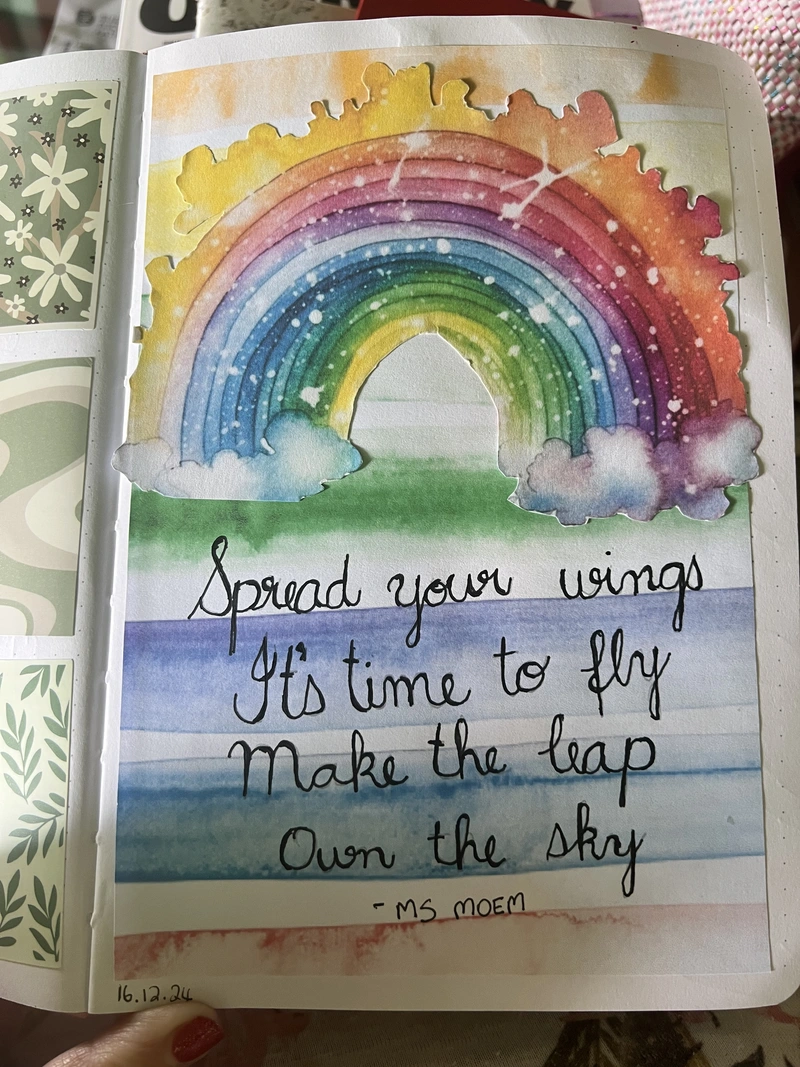
Art therapy is a holistic approach that uses creativity—through painting, drawing, sculpting, and other art forms—to promote mental, emotional, and physical well-being. Guided by a qualified art therapist, it can help you express emotions, process difficult experiences, and develop self-awareness in a safe, supportive environment.
Unlike traditional art classes, art therapy focuses on the creative process rather than the final artwork. It’s not about artistic talent but how art helps you feel, reflect, and heal.
Art therapy is particularly effective for individuals managing anxiety, depression, PTSD, or trauma, as well as those who find verbal communication challenging. It’s suitable for all ages and backgrounds, offering benefits in a structured session or a more relaxed open-studio setting.
Art therapy encourages individuals to express emotions and process difficult emotions in a safe and supportive environment through creative mediums like painting or drawing.
Sessions are tailored to the individual’s goals and might include:
Sessions can take place one-on-one or in group settings, either in person or online, offering flexibility and accessibility.
Art therapy can support mental health and well-being in many ways:
Art therapy is a mindful and creative experience that promotes relaxation, boosts dopamine and serotonin levels, reduces stress, enhances mood, and fosters emotional balance.
Art therapy offers a non-verbal outlet for processing complex emotions and trauma, making it a valuable tool for individuals experiencing PTSD or other trauma-related conditions.
Creating art encourages self-expression, leading to feelings of accomplishment and improved self-worth.
For people living with developmental or cognitive conditions, such as autism or dementia, art therapy can provide an alternative way to express thoughts and feelings and to communicate.
Group art therapy sessions can help to reduce feelings of isolation by building social connections, improving communication skills, and promoting a sense of belonging.
To explore art therapy:
Find a registered art therapist near me
Art therapy can assist with stress, anxiety, depression, PTSD, eating disorders, chronic pain, traumatic brain injury and dementia, among other conditions.
No, you don’t need artistic skills to benefit from art therapy. Art therapy is about self-exploration and expression, not creating a masterpiece.
Yes, registered art therapists use evidence-based practices, and growing research supports its positive impact on mental health.
Yes, you can work with an art therapist virtually or explore art therapy exercises at home.
by Cathy Malchiodi
by Susan Magsamen
Finding North is hosted by Mental Illness Fellowship of Australia (MIFA). MIFA acknowledges the Traditional Owners of the Country throughout Australia and their continuing connection to land, sea and community. We pay our respect to them and their cultures and to the Elders past and present. We recognise and value the expertise of people, families and carers with living experience of mental health challenges. We uplift and amplify marginalised voices to create a more inclusive future for all.