Search mental health services and support options.
Get immediate support in a crisis or urgent situation.
Understand your options and where to start.
Support a friend, family member, or loved one.
Find peer support and connect with people who understand.
Find help and resources for yourself or someone at risk.
Explore the support that's available and find what fits you.
Browse mental health topics and terms from A to Z.
Everyday ways to look after your mental wellbeing.
Understand how autism and mental health connect.
Explore the treatment and therapy options available.
Learn about different conditions, their signs, and support.
Who is Finding North?
See the people behind.
Donation to us via PayPal
About Finding North Network
Our project.
The latest news, updates, and upcoming events.
Learn about peer support and lived-experience work.
Information and resources to support your recovery.
Browse articles, tools, and resources in one place.
Find help and resources for yourself or someone at risk.
Browse the directory or apply to join.
Practical guides to help you navigate mental health.
Know the laws that protect you and your rights.
The standard of care you can expect to receive.
Get support to speak up and be heard.
Your fundamental rights in mental health care.
Understand your rights when accessing care.
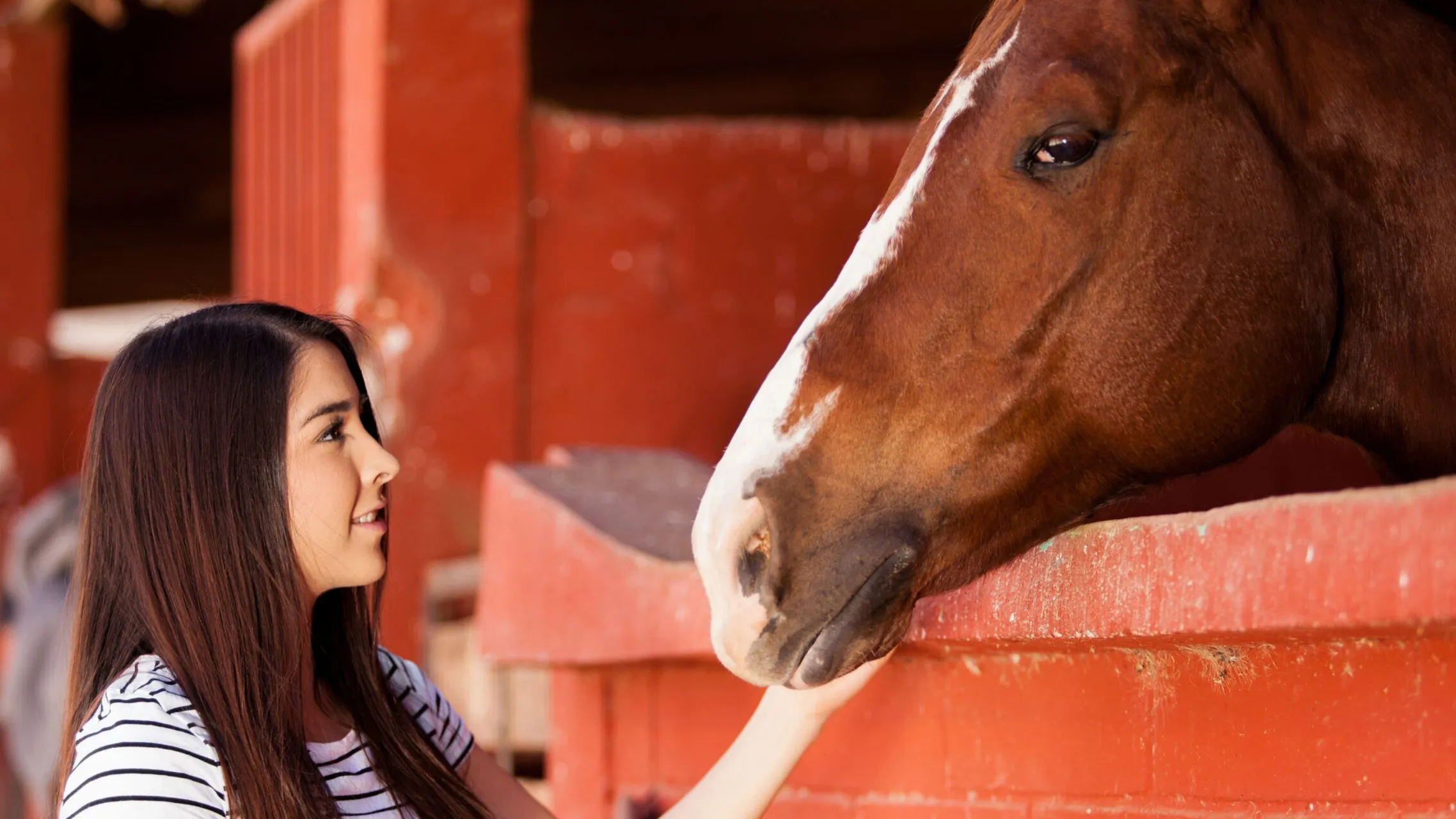
Horses are incredibly intuitive and responsive to human emotions, making them ideal partners in equine-assisted therapy (EAT). This practice involves therapeutic activities with horses to support people facing psychological challenges like PTSD, depression, anxiety, and addiction.
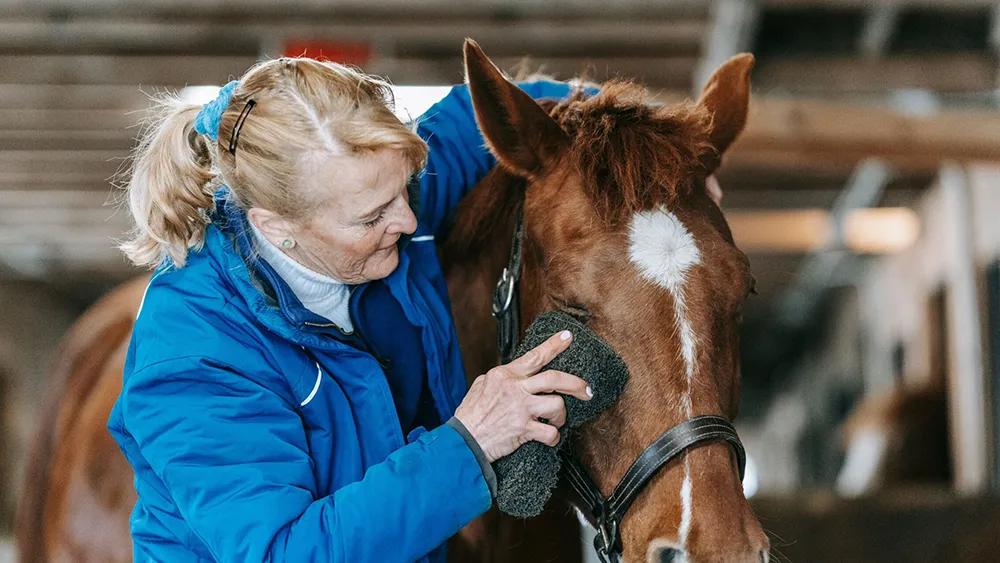
Through equine therapy, you engage in activities like grooming, feeding, and leading a horse in a safe and structured setting, guided by a therapist or trained facilitator. These interactions offer a powerful way to build trust, develop emotional regulation, and boost confidence.
Equine therapy is a hands-on approach, focusing on activities such as grooming, feeding, and leading horses in a calm, structured setting. The sessions are often unmounted, with the horse unsaddled and free to interact naturally. Guided by a therapist, you’ll observe the horse’s responses to your actions, which can reveal insights into your feelings and reactions. Over time, these sessions can enhance self-awareness, emotional resilience, and interpersonal skills.
Equine therapy offers various benefits:
One of the main benefits of equine-assisted therapy is its ability to help people regulate their emotions. The calm, grounded presence of horses can help you learn to manage intense emotions and overwhelm, reduce anxiety and stress, and become more attuned to your feelings.
Horses communicate primarily through body language. Equine therapy can help you to become mindful of your nonverbal cues while staying calm and clear in your body language.
Contact with horses can trigger the release of endorphins, the feel-good hormone that helps calm the nervous system. This is particularly beneficial for reducing symptoms of PTSD and stress.
Interacting with horses in a safe environment can help you overcome your fears and build trust and confidence in your ability to lead, communicate, connect, and promote healing.
If you’re considering equine therapy, consult a mental health professional to explore if it’s right for you.
Equine therapy programs are available across Australia in individual and group settings. Look for practitioners certified in equine-assisted therapies to ensure a safe, therapeutic experience.
Organisations like the Equine Psychotherapy Institute set standards and train practitioners in these therapies and can guide you in finding qualified practitioners.
Note:
The cost and location may limit accessibility for some, so inquire about options in your area.
Equine therapy can help with mental health conditions such as PTSD, anxiety, addiction, social anxiety, and neurological and developmental disorders.
Equine therapy is safe when conducted by a trained professional who understands the nuances of working with horses and people in a therapeutic setting.
Frequency depends on individual goals. Some benefit from weekly sessions, while others may need less frequent visits. Your therapist can help create a plan suited to your needs.
It’s generally recommended to engage in equine therapy under the guidance of a certified practitioner in a structured setting.
Certain activities may be practised outside of formal therapy if you have access to a horse and are knowledgeable about safe handling.
Yes, there is a growing body of research to support equine therapy as a complementary therapy for various mental health challenges and neurological and developmental disorders.
Finding North is hosted by Mental Illness Fellowship of Australia (MIFA). MIFA acknowledges the Traditional Owners of the Country throughout Australia and their continuing connection to land, sea and community. We pay our respect to them and their cultures and to the Elders past and present. We recognise and value the expertise of people, families and carers with living experience of mental health challenges. We uplift and amplify marginalised voices to create a more inclusive future for all.