
Search mental health services and support options.
Get immediate support in a crisis or urgent situation.
Understand your options and where to start.
Support a friend, family member, or loved one.
Find peer support and connect with people who understand.
Find help and resources for yourself or someone at risk.
Explore the support that's available and find what fits you.
Browse mental health topics and terms from A to Z.
Everyday ways to look after your mental wellbeing.
Understand how autism and mental health connect.
Explore the treatment and therapy options available.
Learn about different conditions, their signs, and support.
Who is Finding North?
See the people behind.
Donation to us via PayPal
About Finding North Network
Our project.
The latest news, updates, and upcoming events.
Learn about peer support and lived-experience work.
Information and resources to support your recovery.
Browse articles, tools, and resources in one place.
Find help and resources for yourself or someone at risk.
Browse the directory or apply to join.
Practical guides to help you navigate mental health.
Know the laws that protect you and your rights.
The standard of care you can expect to receive.
Get support to speak up and be heard.
Your fundamental rights in mental health care.
Understand your rights when accessing care.
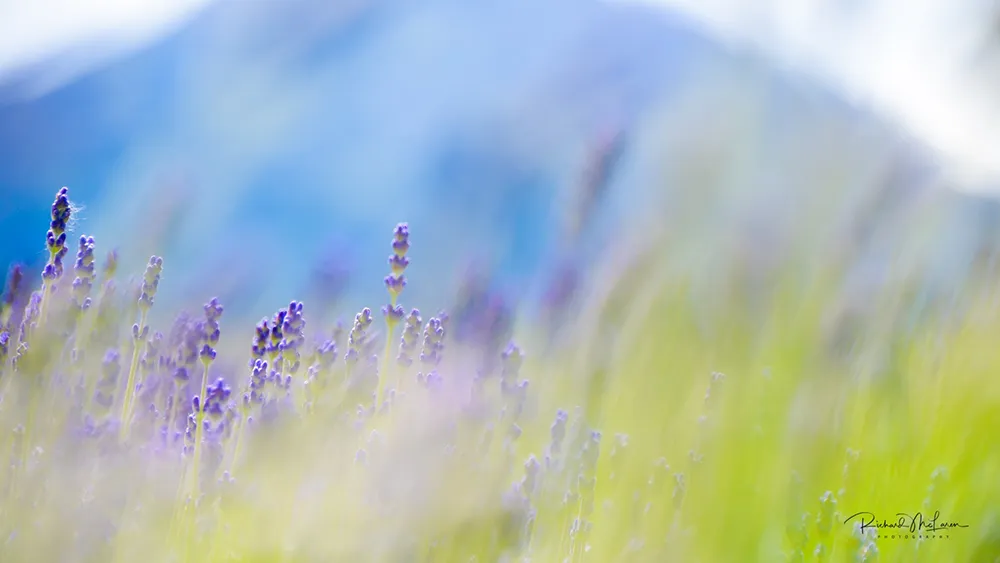
There is beauty in everything. If you just look for it. And there is a photograph in every day.”
– William McLaren
Photography is more than just capturing a moment—it can also be a powerful tool for supporting mental health and well-being. Whether you’re photographing nature, people, or abstract patterns, photography allows for creativity, mindfulness, and self-reflection.
In Australia, photography is increasingly recognised as a way to complement traditional mental health support. It can be beneficial for people navigating challenges such as anxiety, depression, PTSD, or social isolation. Capturing images, reflecting on them, and sharing them offer a creative outlet to process emotions and connect with others.
Therapeutic photography isn’t about perfecting your technique or investing in expensive equipment—it’s about the process rather than the final product. It doesn’t require professional training or expensive equipment—a basic smartphone camera is all you need to get started.
The act of observing, taking, and reflecting on images can help you:
Photography encourages you to pause and focus on your surroundings, which can promote mindfulness and reduce stress.
Photos can capture feelings and experiences that are hard to put into words, providing a safe and creative outlet.
Documenting your journey through photography can provide perspective and help you navigate life’s challenges.
Photography can support mental health and well-being in many ways:
Taking photos, whether you’re capturing nature, urban scenes, or abstract concepts, encourages mindfulness, helping you stay present and focused while providing a calming activity.
Photography can create a sense of accomplishment, helping you to recognise the beauty in your unique perspective and boosting confidence in your abilities.
Photography provides a creative way to express and process complex emotions, especially for those who find verbal communication challenging.
Sharing your images in a group, on social media, or through local photography communities can foster connections and reduce feelings of isolation.
Documenting your experiences through photos can help you find new ways to interpret your journey, giving meaning to your everyday life.
Photography encourages you to slow down, observe your surroundings, and reflect on your images—helping you cultivate a deeper connection to yourself and your environment.
Here are some ways to begin exploring photography as a tool for well-being:
Take a Class
Learning something new can be good for your mental well-being and happiness. Look for workshops in your area or online focused on photography and self-expression.
Join a Local Group
Look for photography meetups or clubs in your area to connect with others with similar interests.
Start Small
Grab your camera or phone and capture what resonates with you, whether it’s a beautiful sunset or the quiet moments at home. There’s no right or wrong way—follow your instincts!
Document Your Journey
Create a photo journal to document moments of joy, progress, or reflection. Over time, this visual diary can become a meaningful reminder of your growth and resilience.
Explore Competitions
Programs like Out From the Mist celebrate the role of creative expression in mental health, providing an opportunity to showcase your work and connect with others.
Seeking Professional Guidance: If you’d like to integrate photography into your mental health care, consult a professional specialising in creative or expressive therapies.
Photography can support those managing anxiety, depression, PTSD, or social isolation. It’s also a great tool for mindfulness and personal growth.
No! A smartphone or basic camera is all you need to get started. The focus is on the process, not the tools.
There’s no set schedule—it’s up to you! Some people find daily practice helpful, while others use it as needed to process emotions or manage stress.
Absolutely! You can start anywhere—in your backyard, a nearby park, or indoors.
Yes! Studies show that creative practices like photography can improve mindfulness, resilience, and emotional well-being
An international mental health photography, short movie and music competition showcasing the strengths and struggles, joyous moments and sadness of those who directly or indirectly confront the challenges of mental illness.
Enhancing Self-Esteem, Self-Efficacy and Resilience (Book & e-Book)
Finding North is hosted by Mental Illness Fellowship of Australia (MIFA). MIFA acknowledges the Traditional Owners of the Country throughout Australia and their continuing connection to land, sea and community. We pay our respect to them and their cultures and to the Elders past and present. We recognise and value the expertise of people, families and carers with living experience of mental health challenges. We uplift and amplify marginalised voices to create a more inclusive future for all.