
Search mental health services and support options.
Get immediate support in a crisis or urgent situation.
Understand your options and where to start.
Support a friend, family member, or loved one.
Find peer support and connect with people who understand.
Find help and resources for yourself or someone at risk.
Explore the support that's available and find what fits you.
Browse mental health topics and terms from A to Z.
Everyday ways to look after your mental wellbeing.
Understand how autism and mental health connect.
Explore the treatment and therapy options available.
Learn about different conditions, their signs, and support.
Who is Finding North?
See the people behind.
Donation to us via PayPal
About Finding North Network
Our project.
The latest news, updates, and upcoming events.
Learn about peer support and lived-experience work.
Information and resources to support your recovery.
Browse articles, tools, and resources in one place.
Find help and resources for yourself or someone at risk.
Browse the directory or apply to join.
Practical guides to help you navigate mental health.
Know the laws that protect you and your rights.
The standard of care you can expect to receive.
Get support to speak up and be heard.
Your fundamental rights in mental health care.
Understand your rights when accessing care.
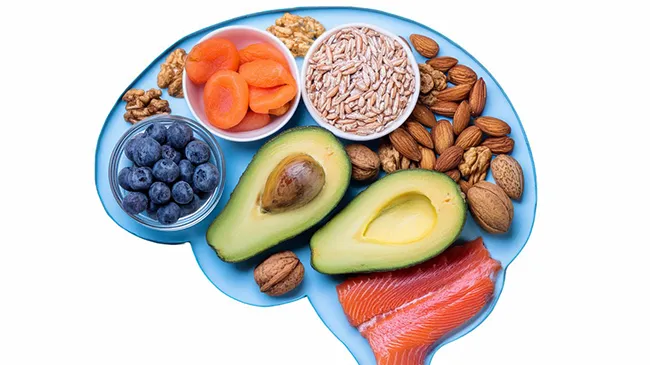
What you eat doesn’t just affect your body – it can impact how you feel, think, and manage day-to-day life. More and more research shows a strong connection between what’s on your plate and your mental health.
While food isn’t a cure for mental health conditions, eating well can be an important part of supporting your overall well-being.
A balanced, nutrient-rich diet may help reduce symptoms of anxiety and depression, improve your mood, and support clearer thinking.
If you want to make learning a bigger part of your life, start by finding out what you are curious about. Notice what repeatedly draws your attention. Are you often wondering about or looking up information on a particular topic? Is there a particular topic you would like to know more about? Seeking more information about the things that interest you or the activity you’re curious about is a great place to start. You might begin by researching online, asking a librarian to help you find books on the topic, signing up for a course, or volunteering in the area that interests you.
Consider telling someone you feel comfortable with (a friend, family member or health professional) about your interest in learning something new. Ask them to help you explore what your area of interest might be.
If you lose interest in learning about a topic after exploring it in depth, move on to something else. Stay curious. If you’re looking for a new job, consider one related to the topics you’re exploring. Following your curiosity does not mean you have to have all the answers. Ask yourself what you’re curious about see where it takes you.
Certain nutrients — like omega-3s, B vitamins, and proteins — play a role in how your brain makes mood-regulating chemicals such as serotonin and dopamine. These brain chemicals affect how calm, motivated, or balanced you feel.
Brightly coloured fruits and vegetables (think berries, leafy greens, carrots, capsicum) are packed with antioxidants. These help protect your brain from stress and support emotional balance.
Your gut and brain are linked. A healthy gut, supported by fibre-rich foods, probiotics and prebiotics, can help reduce inflammation and maintain a healthy gut while supporting your mood and mental clarity.
Fast food, packaged snacks, sugary drinks, and other ultra-processed foods might be convenient, but they often lack the nutrients your brain and body need. Regularly eating these types of foods has been linked to poorer mood, low energy, brain fog, and increased risk of depression. While they’re okay occasionally, too much can leave you feeling physically and mentally sluggish.”
Too much processed sugar and refined carbs can spike your energy and then crash it, leaving you feeling anxious, tired, or low. Cutting back on added sugars can help you feel more balanced.
Your brain needs the right fuel to function well. These nutrients are especially important:
Support brain energy and function (found in leafy greens, eggs, legumes, whole grains)
Hypnotherapy is commonly used to help manage pain and stress, as it promotes deep relaxation and can help shift unhelpful thought patterns, altering the perception of pain to improve the overall quality of life.
If you’re looking to change habits or reduce addictive behaviours, hypnotherapy can help you by gently guiding you to reshape unhelpful thought patterns and reinforce positive habits, supporting meaningful and lasting behavioural change.
If you are struggling with self-esteem or social anxiety, hypnotherapy can help you to confront and reframe negative self-beliefs, overcome limiting beliefs, and build self-confidence and a more positive self-image.
Finding North is hosted by Mental Illness Fellowship of Australia (MIFA). MIFA acknowledges the Traditional Owners of the Country throughout Australia and their continuing connection to land, sea and community. We pay our respect to them and their cultures and to the Elders past and present. We recognise and value the expertise of people, families and carers with living experience of mental health challenges. We uplift and amplify marginalised voices to create a more inclusive future for all.